Thinking about selling your Santa Cruz vacation home? It can feel simple at first, especially if demand still looks healthy, but second homes often come with extra moving parts. From pricing and property prep to rental permits, taxes, and timing, the details matter. If you plan ahead, you can avoid surprises and make smarter decisions before your home hits the market. Let’s dive in.
Understand the Santa Cruz market first
Santa Cruz is still an active market, but that does not mean every vacation home will sell the same way. In May 2026, Santa Cruz County Association of REALTORS® reported 409 single-family homes in inventory, a median sale price of $1,342,500, and 40 days on market. At the city level, Redfin reported a May 2026 median sale price of $1,424,148 and about 13.5 days on market.
Those numbers tell you one important thing: broad averages only go so far. Neighborhood pricing can vary widely, with asking prices reported around $1.037 million in Upper Seabright and about $1.853 million in Westlake. If you own a vacation home, your pricing strategy should reflect your specific area, condition, and buyer appeal, not just a countywide headline.
Inventory matters for your sale
Inventory rose from 274 homes in January to 409 homes in May. That increase suggests buyers had more options as spring progressed. If you are selling during a period of rising inventory, strong presentation and accurate pricing become even more important.
A vacation home can stand out, but only if it shows well and enters the market with a clear strategy. That is especially true if your property competes with both primary residences and other second homes in desirable Santa Cruz neighborhoods.
Price your vacation home with precision
One of the biggest mistakes sellers make is pricing a second home based on emotion or broad market talk. A vacation property may have features you love, but buyers will still compare it to nearby listings, recent sales, and the home’s overall condition. If the property has been lightly used, heavily rented, or vacant for long stretches, that can also affect how buyers see value.
A smart pricing approach should answer a few key questions:
- How does your home compare to nearby listings in the same neighborhood?
- Does the condition match the price you want to ask?
- Are there updates, deferred maintenance issues, or rental wear that buyers will notice?
- Are you entering the market when inventory is rising?
In Santa Cruz, pricing is rarely one-size-fits-all. The right number should be tied to local data and a realistic view of how your home will show against current competition.
Prepare a part-time home for showings
Vacation homes usually need more prep than owner-occupied homes. When a property sits empty part of the time, small issues can go unnoticed and buyers may quickly pick up on signs that the home is not in regular use. A thoughtful prep plan can help protect value and improve buyer confidence.
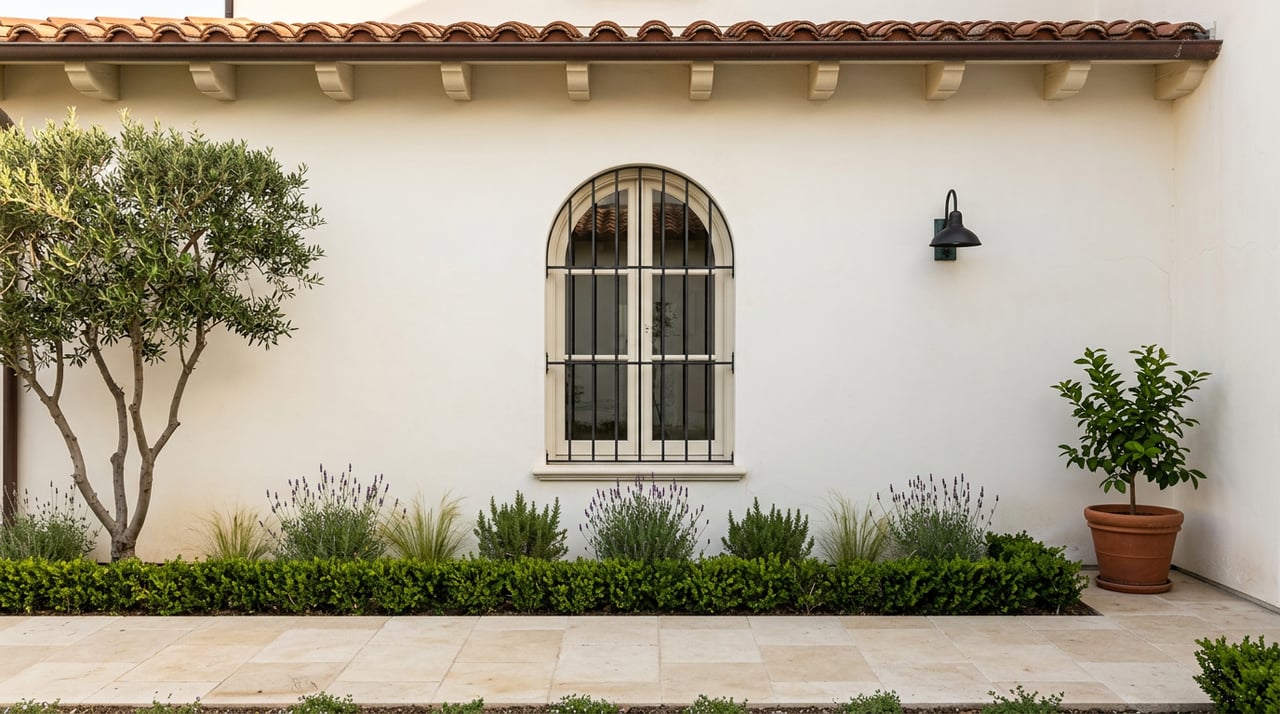
Start with the basics outside. Regular landscaping, exterior lighting, and debris removal matter because curb appeal shapes the first impression. If the home looks unattended, buyers may worry about larger maintenance problems.
Inside, test the systems before the house sits quiet for long periods. Plumbing, HVAC, hot water, roofs, and gutters are all worth checking. A pre-list inspection can also help you identify water or mechanical issues before they disrupt negotiations.
Focus on the spaces buyers notice most
Staging can be especially helpful in a vacation home. According to the National Association of REALTORS® 2025 staging survey, staged homes are easier for buyers to visualize and often sell faster. That matters when buyers are comparing your home online before they ever step through the door.
You do not always need to stage every room. Prioritize the rooms that carry the listing visually and emotionally:
- Main living area
- Kitchen
- Primary bedroom
- Dining area
- Outdoor entertaining space, if applicable
If the home is vacant, staged furniture and decor can make the layout feel more intentional. If it is furnished, a lighter edit may help the home feel cleaner, more spacious, and easier to picture as a buyer’s own retreat.
Protect a vacant home while it is listed
A part-time or vacant home needs active oversight during the sales process. Regular mail pickup, timer-based lighting, and routine property checks can help the house feel cared for rather than abandoned. These small steps support both presentation and security.
Insurance is another item you should address early. The Insurance Information Institute advises homeowners to speak with their insurance carrier before leaving a home vacant because standard coverage may change once a property is unoccupied. In some cases, you may need a temporary change in coverage or a vacancy endorsement.
This is easy to overlook, especially if you only use the home seasonally. It is much better to confirm your coverage before listing than to discover a gap after a problem occurs.
Plan around short-term rentals and personal use
If your Santa Cruz vacation home has been used as a short-term rental, timing matters. You will want to think through when to stop taking bookings so showings, inspections, and buyer access are not constantly interrupted. The answer will depend on your calendar, your income goals, and how quickly you want the property ready for market.
It is also important to confirm whether the home is in the City of Santa Cruz or in unincorporated Santa Cruz County. The rules are not the same in every jurisdiction. You should not assume a permit, account, or rental status will transfer or be handled the same way everywhere in Santa Cruz.
City of Santa Cruz rental rules to review
The City of Santa Cruz says owners need a short-term rental permit and a TOT certificate. The city also states that booking through platforms like Airbnb or VRBO does not change TOT obligations. Residential short-term rentals are taxed at 14%, and returns are due monthly.
If the property sells, the city’s portal allows a seller to request closure of the rental-property account after the sale. The city’s short-term rental page also indicates it is only issuing Hosted STR permits rather than new Non-Hosted permits. If your buyer is interested in future rental income, that detail may become part of the discussion.
County rules may differ
In unincorporated Santa Cruz County, owners may rent part or all of a home for fewer than 30 days only with a county short-term rental permit. The county distinguishes between Hosted and Non-Hosted rentals with separate rules. That means your property’s location and permit status can directly affect how you time the sale and how you present the home’s potential use.
Before listing, it helps to answer these practical questions:
- When should you stop accepting new bookings?
- Does the property have an active STR permit or TOT account?
- Will a final filing or formal account closure be needed?
- If a buyer wants rental use, what do current local rules allow?
Review taxes before you list
Taxes are one of the most important issues for vacation-home sellers. If the property was never your principal residence, you generally should not assume the home-sale exclusion will apply. For many true second homes, the sale calls for a taxable-gain analysis instead.
This gets more complex if the home was rented out or partly used for business. Rental depreciation and mixed-use treatment can affect your basis and reduce the amount that may qualify for exclusion if the property was ever used as a principal residence. That is why it is worth reviewing the property’s history before you set your timeline.
Questions to sort out early
Before you list, gather clear answers to the following:
- Was this always a second home, or was it ever your principal residence?
- Did you ever claim rental depreciation?
- Was any part of the home used for income or business purposes?
- Are you expecting a gain that needs advance tax planning?
A tax conversation early in the process can help you avoid last-minute surprises and improve your estimate of net proceeds.
Factor in transfer taxes and closing costs
Closing costs can be meaningful in Santa Cruz, especially on higher-value properties. Santa Cruz County charges documentary transfer tax at $0.55 per $500 of value and requires a Preliminary Change of Ownership Report when property is transferred. These items should be part of your planning, not an afterthought.
If your home is inside the City of Santa Cruz, another item may apply. Beginning July 1, 2026, Measure C adds a progressive real property transfer tax on sales above $1.8 million, with rates from 0.5% to 2.0% and a $200,000 cap. For some vacation-home sellers, that can materially affect net proceeds.
Buyers may also ask about future property taxes. California Board of Equalization guidance says a change in ownership generally triggers reassessment to current fair market value. While that is the buyer’s side of the equation, it can still come up during the transaction and may shape questions about affordability.
Build your selling timeline in advance
A Santa Cruz vacation home sale usually goes more smoothly when you map out the process before the listing goes live. That timeline should account for repairs, cleaning, staging, insurance review, rental bookings, permit questions, tax planning, and your target market date. The more moving parts your property has, the more valuable early coordination becomes.
This is where a process-driven approach can make a real difference. Instead of reacting to issues one by one, you can work from a plan that fits your goals, your calendar, and the realities of the local market.
Before you list, it is wise to review your net sheet with your agent, title or escrow officer, CPA or tax advisor, and insurer. That way, you can understand likely proceeds, confirm any transfer or rental-related obligations, and reduce the risk of coverage or timing gaps.
Selling a vacation home in Santa Cruz is not just about putting a sign in the yard. It is about pricing the home correctly, preparing it thoughtfully, and sorting out the practical details that come with part-time use. If you want a clear, research-driven plan for your sale, schedule a personalized consultation with Georgia Phillips.
FAQs
What should you consider before selling a Santa Cruz vacation home?
- You should review local pricing, home condition, vacancy prep, insurance coverage, short-term rental status, taxes, transfer costs, and the property’s exact city or county jurisdiction before listing.
How should you price a Santa Cruz vacation home?
- You should base pricing on neighborhood-specific market data, current competition, and your home’s condition rather than relying only on countywide averages.
What repairs matter most before listing a part-time Santa Cruz home?
- You should focus on exterior upkeep, lighting, landscaping, plumbing, HVAC, hot water, roof, and gutters, since vacant or part-time homes can develop unnoticed maintenance issues.
What should you know about short-term rental rules when selling in Santa Cruz?
- You should confirm whether the home is in the City of Santa Cruz or unincorporated Santa Cruz County, because permit rules, hosted versus non-hosted rental treatment, and account closure steps are not identical.
Are taxes different when selling a vacation home in Santa Cruz?
- Yes. If the property is a true second home, you should generally expect a taxable-gain review rather than assume the principal-residence exclusion applies.
Does the City of Santa Cruz transfer tax affect vacation-home sellers?
- If the property is inside city limits and the sale closes after July 1, 2026, Measure C may apply to sales above $1.8 million, which can affect your net proceeds.