If you picture coastal living as endless vacation energy, Santa Cruz may surprise you. Living near the coast here is not just about beach views. It is about daily walks on West Cliff, quick access to downtown, a mild marine-influenced climate, and a home that asks a little more from you over time. If you are thinking about buying near the shoreline, this guide will help you understand the real rhythm of ownership and what to plan for before you make a move. Let’s dive in.
Daily life feels outdoors-first
One of the biggest draws of owning near the Santa Cruz coast is how easy it is to get outside. West Cliff Drive has a 2.5-mile wheelchair-accessible multi-use pathway that stretches between the Boardwalk and Natural Bridges, making scenic walks, bike rides, and short outings part of everyday life.
The Santa Cruz Riverwalk adds another practical layer to that lifestyle. It follows the San Lorenzo River levee and connects downtown to the Boardwalk, which means you can move between the city core and the coast without always feeling tied to your car.
Nearby beaches, parks, and open spaces also shape the day-to-day experience. Tidepools, coastal trails, whale watching, and seasonal monarch butterfly viewing all add to a setting that feels active and visually connected to nature.
The city also identifies this shoreline as part of the Santa Cruz World Surfing Reserve. That helps explain why surf culture feels woven into daily life here, not just reserved for visitors or special occasions.
The coast is lively and regulated
Santa Cruz has a strong beach culture, but it is not unmanaged. The city requires permits for commercial surf lessons, and city-beach rules prohibit campfires and fireworks on the sand.
That balance matters if you are considering a home nearby. You get the energy of an active shoreline, but within a framework of local rules designed to manage public use and protect the coast.
For homeowners, that often translates into a setting that feels vibrant, especially near major beach corridors, while still operating with visible oversight and structure.
Housing near the coast has character
Near-shore housing in Santa Cruz tends to feel layered rather than uniform. The city’s Downtown Neighborhood Historic District includes homes from the 1860s through the early 20th century, with details such as Eastlake cottages, Stick-style elements, and frequent use of local redwood.
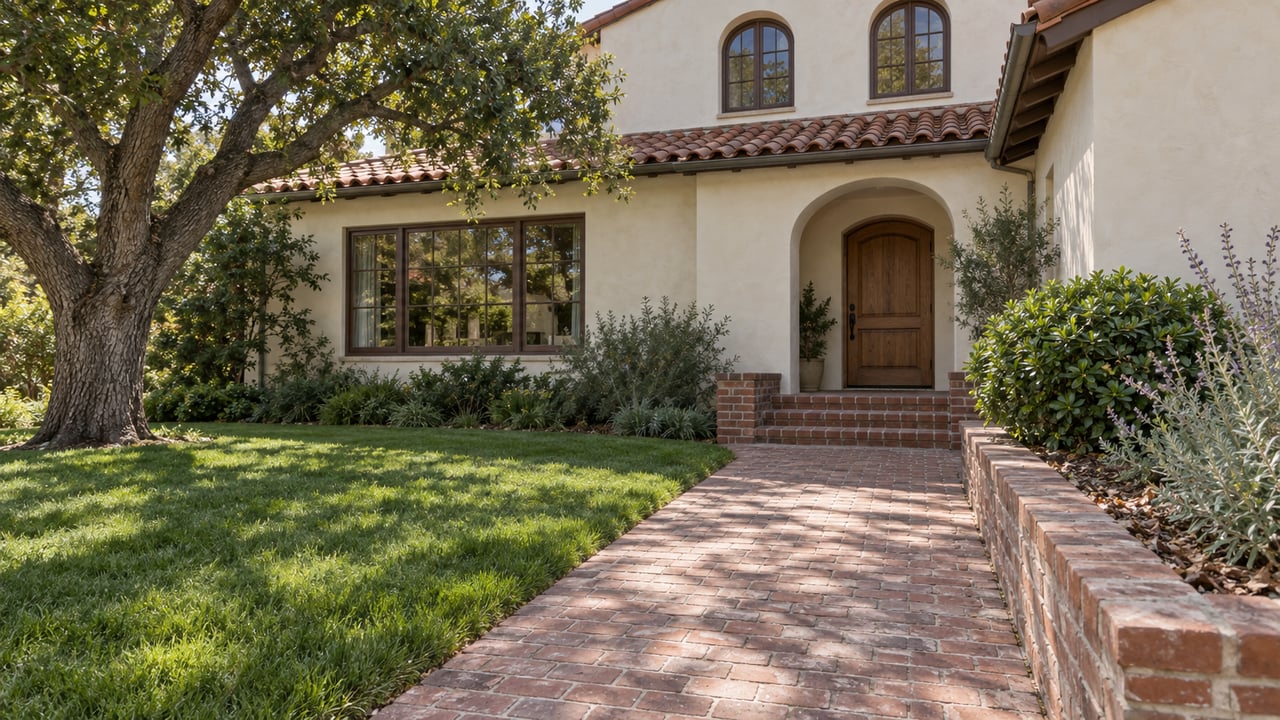
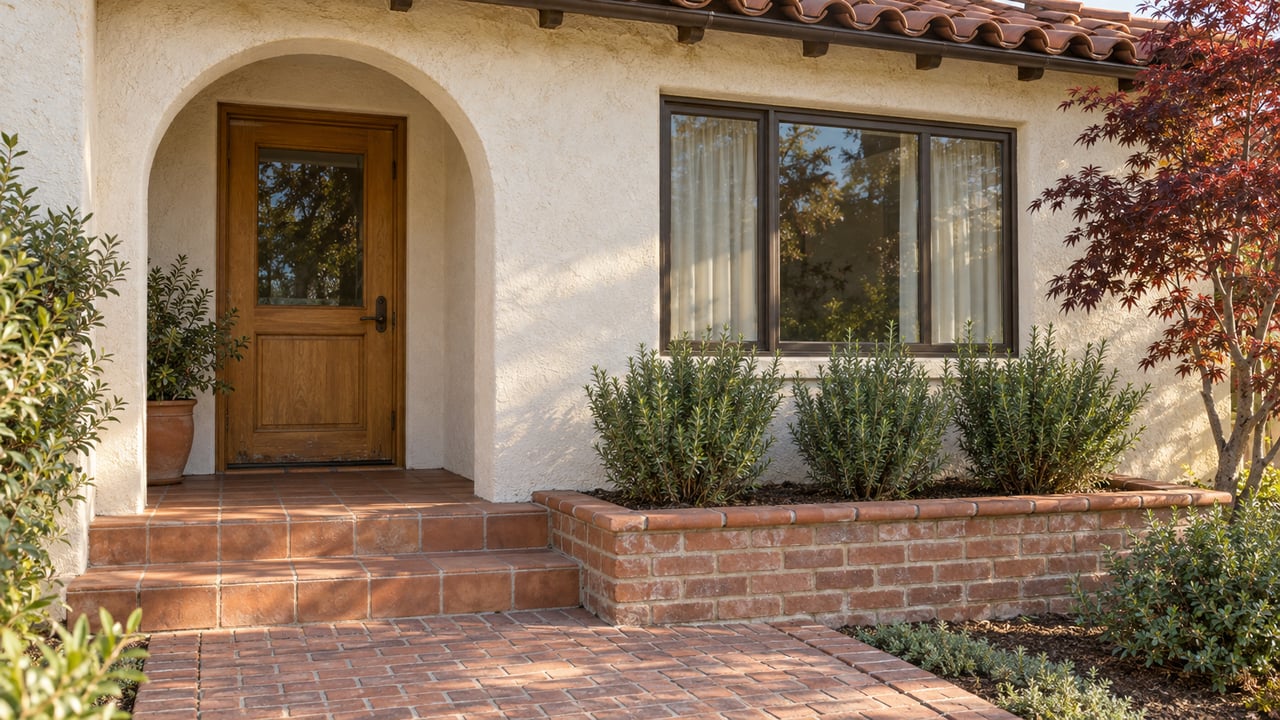
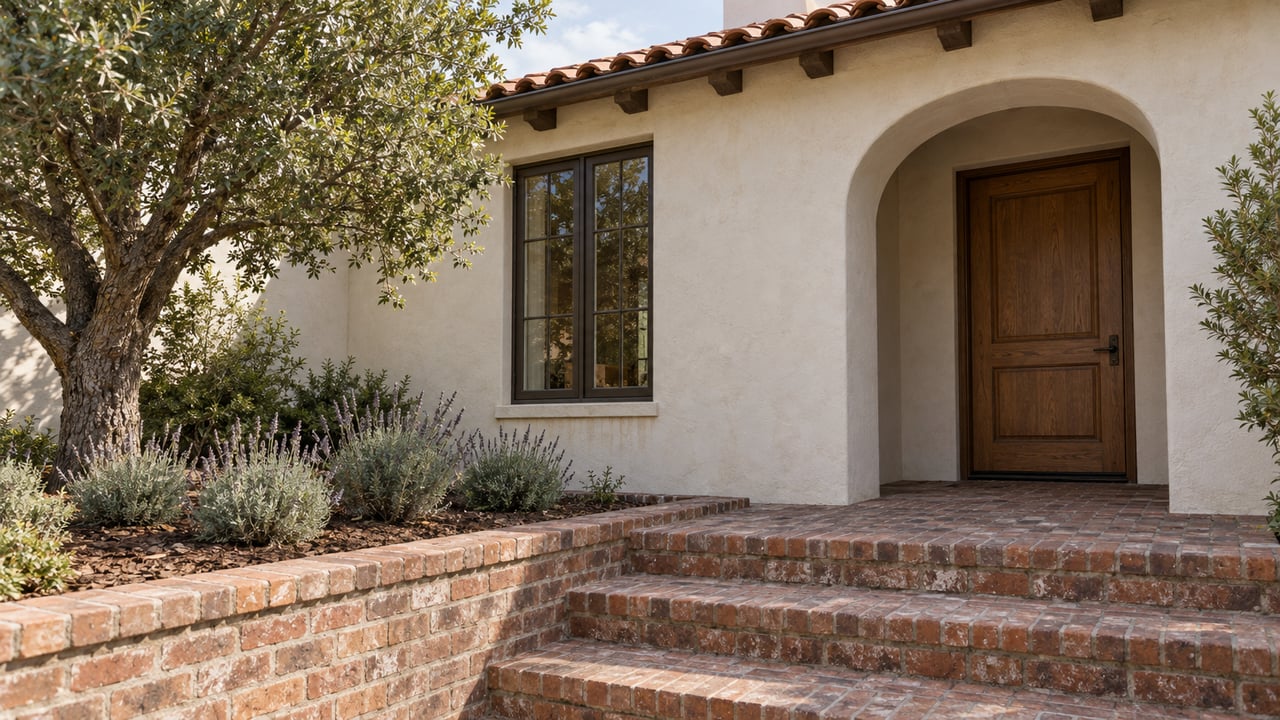
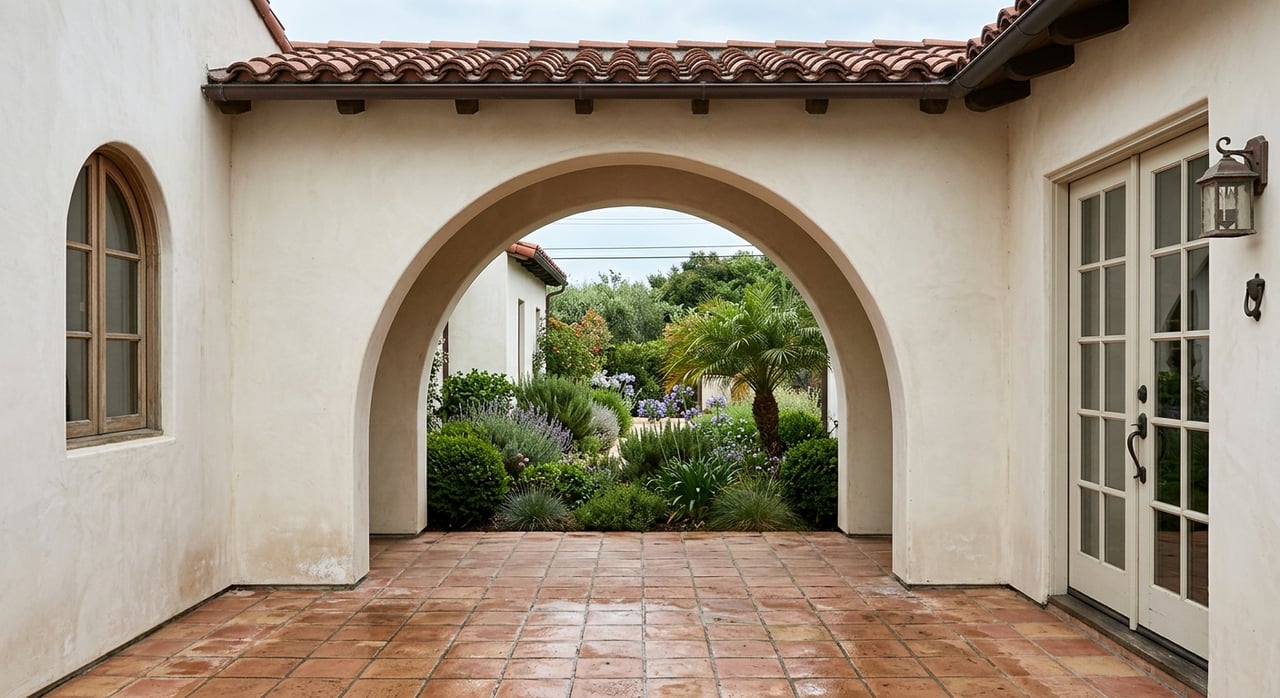
In beach-adjacent areas, city standards call for small-scale development and reference California Bungalow and Victorian forms, along with Craftsman and Spanish Resort influences. Wood-frame construction, horizontal siding, porches, and pitched roofs all support a more cottage-like coastal look.
For you as a buyer, this means the area often offers architectural variety instead of a one-style streetscape. Two homes on the same route to the beach may feel very different in age, layout, and exterior character.
Location ties the coast to downtown
The Beach Area is centered on Beach Hill and Beach Flats near Lower Pacific Avenue, Beach Street, and the San Lorenzo River levee. That geography helps explain why owning near the shoreline in Santa Cruz often feels closely tied to downtown life.
Instead of a coast that feels isolated from the rest of the city, Santa Cruz offers a more connected experience. The Boardwalk, wharf area, downtown businesses, river corridor, and nearby residential streets all interact with one another.
If you want a home where beach access and city convenience overlap, that connection is a big part of the appeal.
Weather is mild, not hot
Many buyers expect California coastal weather to mean warm beach days most of the year. In Santa Cruz, the climate is generally milder than that. NOAA’s 1991 to 2020 normals for the Santa Cruz station show an annual mean temperature of 58.7°F, a July mean of 64.3°F, and a December mean of 51.2°F.
Summer is often cooler and foggier than inland buyers expect. State and local sources describe the region as cool-to-warm and dry in summer, cool and wet in winter, with marine fog lowering temperatures and increasing humidity along the coast.
That can be a plus if you prefer a more moderate climate. It also means you should not assume a shoreline home will deliver the same heat profile you might find farther inland.
Annual precipitation averages 30.63 inches, and the area gets essentially no snow. In practical terms, you get a mild coastal pattern with more moisture and marine influence than many Bay Area buyers first imagine.
The weekly rhythm changes with the seasons
The Santa Cruz coast has a real seasonal pulse. The Santa Cruz Beach Boardwalk sits on a mile of sandy beach and operates daily in summer, then on weekends and holidays through much of the rest of the year.
Visit Santa Cruz County also highlights free events throughout the year, including Boardwalk performances. Downtown adds its own activity through cafes, galleries, cinemas, outdoor spaces, monthly First Friday art tours, and the three-week Open Studios event in October.
For homeowners, this means the area can feel especially animated during peak visitor seasons and event weekends. That energy is part of what many people love about Santa Cruz, but it does shape traffic patterns, parking, and the overall feel of nearby blocks.
City lifeguards work daily from Memorial Day to Labor Day and on spring and fall weekends, which reinforces how summer-heavy beach use can be. West Cliff also has numerous public parking lots, so it is reasonable to expect busier conditions and tighter parking near popular access points during peak periods.
It is a real beach town and a visitor destination
A common buyer question is whether coastal Santa Cruz feels like a true local community or mostly a tourist zone. The answer is both.
Santa Cruz has a strong surf identity and a coastline built around public access, but it also supports everyday routines through downtown businesses, neighborhood-scale public spaces, and connected walking corridors. You are not choosing between a residential city and a beach destination. In many parts of coastal Santa Cruz, those two experiences overlap.
That overlap can be a major benefit if you want a home that feels active and connected. It can also be a tradeoff if you prefer a more predictable pace year-round.
Coastal ownership comes with more upkeep
The biggest practical difference between owning near the coast and owning farther inland is often maintenance. FEMA notes that salt spray from breaking waves and onshore winds can significantly accelerate corrosion, and humidity can further speed corrosion of untreated steel.
For homeowners, that means exterior components may need closer attention over time. Metal fixtures, railings, fasteners, exterior hardware, paint, and other weather-exposed features can require more frequent maintenance than similar homes located inland.
This does not mean coastal ownership is a bad fit. It means you should budget and plan for the environment you are buying into, especially if the property has exposed exterior materials or older construction details.
Shoreline risk is part of long-term planning
If you are buying very close to the bluff or shoreline, long-term planning matters just as much as day-to-day maintenance. Santa Cruz County says its Local Coastal Program guides coast-side land use to balance environmental protection, public access, and sustainable growth.
The City of Santa Cruz also identifies bluff erosion as prevalent along West Cliff. In the shoreline area studied, measured retreat rates range from 2.75 to 5.9 inches per year, with the potential for larger episodic losses during major storms.
The city is developing shoreline adaptation plans for West Cliff, Main/Cowell Beach, and East Cliff. For you as a buyer, this means coastal ownership may involve more than standard repair decisions. Drainage, stabilization, and permit-aware planning for shoreline protection or exterior modifications can become part of the long-term ownership picture.
What buyers should think through first
Before you buy near the Santa Cruz coast, it helps to weigh the lifestyle benefits against the ownership realities. A clear plan can help you enjoy the setting without being surprised by the practical side of coastal living.
Here are a few smart questions to ask as you evaluate properties:
- How close is the home to beach access, West Cliff, downtown, or the Riverwalk?
- How much seasonal visitor activity should you expect on the surrounding blocks?
- What exterior materials and metal components may need more frequent upkeep?
- Is the property near a bluff or shoreline area where long-term coastal planning matters more?
- Does the home’s age or architectural style suggest added maintenance or renovation considerations?
For many buyers, the right coastal home is the one that matches both your lifestyle and your tolerance for ongoing upkeep. That is where a research-driven approach can make a real difference.
Owning near the Santa Cruz coast can be deeply rewarding. You get access to surf culture, public paths, beaches, arts, and a mild climate that supports an outdoor routine year-round. At the same time, you need to be ready for visitor activity, weather exposure, and a more thoughtful approach to long-term maintenance and coastal risk. If you want help evaluating Santa Cruz coastal neighborhoods and narrowing in on the right fit for your goals, Georgia Phillips can help you build a smart, personalized plan.
FAQs
What is daily life like near the Santa Cruz coast?
- Daily life near the Santa Cruz coast is outdoor-focused, with access to West Cliff Drive, the Santa Cruz Riverwalk, beaches, parks, and downtown amenities all shaping a walkable, active routine.
What kind of homes are common near the Santa Cruz coast?
- Homes near the Santa Cruz coast often reflect a mix of historic and small-scale coastal styles, including cottage, bungalow, Victorian, Craftsman, and Spanish Resort influences.
What is the weather like near the Santa Cruz coast?
- Weather near the Santa Cruz coast is generally mild, with an annual mean temperature of 58.7°F, cool-to-warm dry summers, cool wet winters, and frequent marine influence along the shoreline.
What are the tradeoffs of owning near the Santa Cruz coast?
- The main tradeoffs of owning near the Santa Cruz coast are more visitor activity during peak periods, added exposure to salt air and humidity, and the need to pay attention to long-term coastal hazard planning.
Is the Santa Cruz coast walkable for homeowners?
- Yes, the Santa Cruz coast is especially walkable around West Cliff, the Riverwalk, downtown, and the Beach Area, where connected paths and public access points support daily movement on foot.
What should buyers know about maintenance near the Santa Cruz coast?
- Buyers should know that salt spray, onshore winds, and humidity can increase corrosion and wear on exterior materials, so coastal homes often need more frequent upkeep than inland homes.